
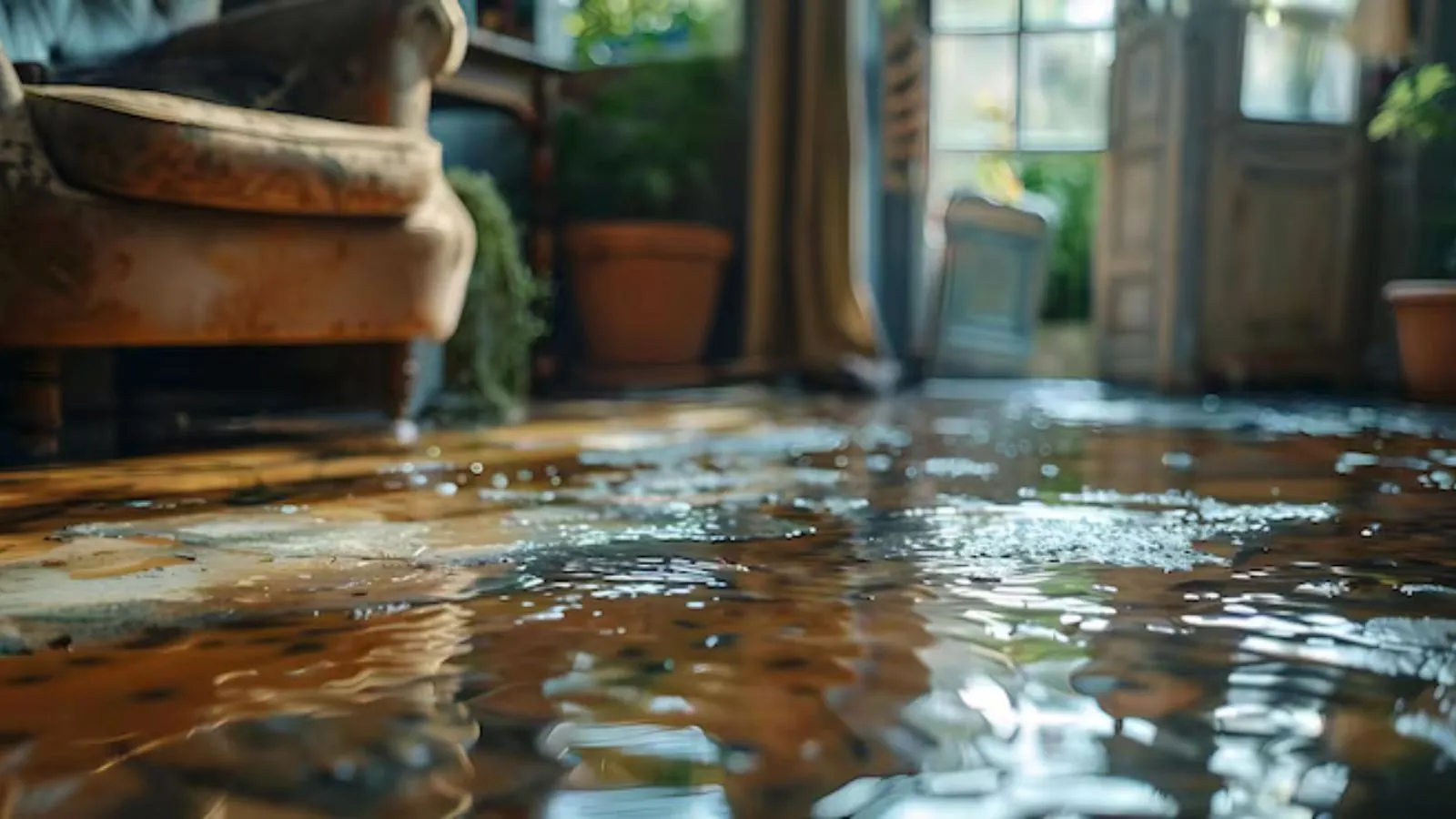
A mattress or sofa that gets soaked is one of the hardest calls after a leak. These items are expensive, they are heavy to move and they hold water deep in the filling where it is hard to dry. The decision comes down to three questions: what kind of water was it, how long was it wet and what is the item made of.
This guide helps you sort the answer. It does not promise any item can be saved, and it assumes you will also document the loss, since contents are often part of an insurance claim.
Question 1: What kind of water was it?
Water is sorted into categories under the ANSI/IICRC S500 standard. Category 1 is clean water from a supply line. Category 2 is gray water with some contamination, such as washing machine discharge. Category 3 is grossly contaminated, such as sewage or flood water. The category is the biggest factor in whether soft goods can be saved.
As a rule, soft goods that touch Category 3 water are discarded. Category 1 water that is caught fast gives you the most options, and Category 2 sits in between and often tips toward replacement for items that cannot be cleaned thoroughly.
Question 2: How long was it wet?
The EPA advises drying wet materials within 24 to 48 hours to prevent mold growth. After that window, the risk of mold in the filling rises. Absorbent items such as foam and fiber fill are the slower to dry and the quickest to hold odor. A mattress soaked yesterday is a different problem from one that sat wet for a week.
Question 3: What is it made of?
| Item | Why water is a problem | Usual outcome with clean water, caught quickly |
|---|---|---|
| Memory foam mattress | Foam holds water deep inside | Hard to dry fully, often replaced |
| Innerspring mattress | Padding layers hold water | May be dried if the soaking was limited |
| Upholstered sofa | Cushions and frame hold water | Cushions may be dried, frame wood checked |
| Leather sofa | Water stains and warps leather | May be treated by a specialist |
| Wood or metal frame | Wood can warp, metal can rust | Often dried and cleaned |
What to do in the first hour
- Photograph the item where it sits, with the water line and any labels.
- Get it off wet flooring and prop it so air can reach all sides.
- Blot, do not rub, and avoid using a household vacuum on a soaked item.
- Keep it out of direct heat, which can set stains and warp frames.
- Move it to a dry, ventilated area only if you can do it without spreading contamination.
The floor under the furniture matters too
A wet sofa or mattress usually means wet flooring or carpet underneath. Furniture left on a wet floor wicks water back up and can stain the floor and the legs. Water extraction removes the bulk of the water, and structural drying confirms the floor is dry before anything is put back.
Cleaning and odor after drying
Even when an item dries, it may hold a smell. Fabric can be cleaned by a specialist, and some odors fade with airflow and time. If a musty smell persists in a mattress or cushion after it has dried, the filling may still hold moisture, and replacement is usually the practical choice. Never sleep on a mattress that is still damp inside.
Special cases: children, allergies and rentals
For a child's bed or for anyone who is sensitive, be more cautious about keeping a mattress that was soaked, and ask a doctor if you have a health concern. If you rent, tell the landlord, since furnished units often have their own policies. Keep photos and any messages about who is responsible.
Iselin, NJ: what local sources say
The 2020 census counted 6,994 housing units in Iselin, and a share of them are apartments, condominiums and townhouses. In those buildings a soaked sofa or mattress often follows a leak from the unit above, so notify the owner or association and photograph the damage in your unit.
Middlesex Water lists Woodbridge Township and Metuchen as retail service areas. If you are unsure whether water came from a supply problem or a building leak, ask the utility and the building manager before you assume. Source types used here are census data and the water utility's service area page.
Soaked furniture and a wet floor? Call to extract and dry the room.
Call (833) 521-1033Replacing items and documenting contents
If an item cannot be saved, photograph it before disposal and note its age, brand and approximate value. Ask your insurer what it wants before you discard anything. Keep a tag or label if it is easy to remove. A replacement contents list is much easier to write while the items are still in front of you.
Crews serving Metuchen and Woodbridge can move furniture out of the drying area and keep it off wet floors.
Questions homeowners ask
Can a wet memory foam mattress be saved?
It is hard. Foam holds water deep inside and dries slowly, so replacement is often the practical answer.
Should I throw out a sofa that touched sewage water?
Yes, soft goods that touched Category 3 water are generally discarded. Photograph first.
How long can a wet mattress sit before mold is a risk?
The EPA advises drying within 24 to 48 hours to prevent mold growth, and filling dries slowly, so act fast.
What if a neighbor's leak soaked my sofa in an Iselin condo?
Tell the association or owner, photograph the damage and ask your insurer how contents are handled in your policy and the building's.
Can you dry furniture along with the room?
The crew dries the structure. Furniture may be moved and dried in the area, depending on what it is and the water category.