
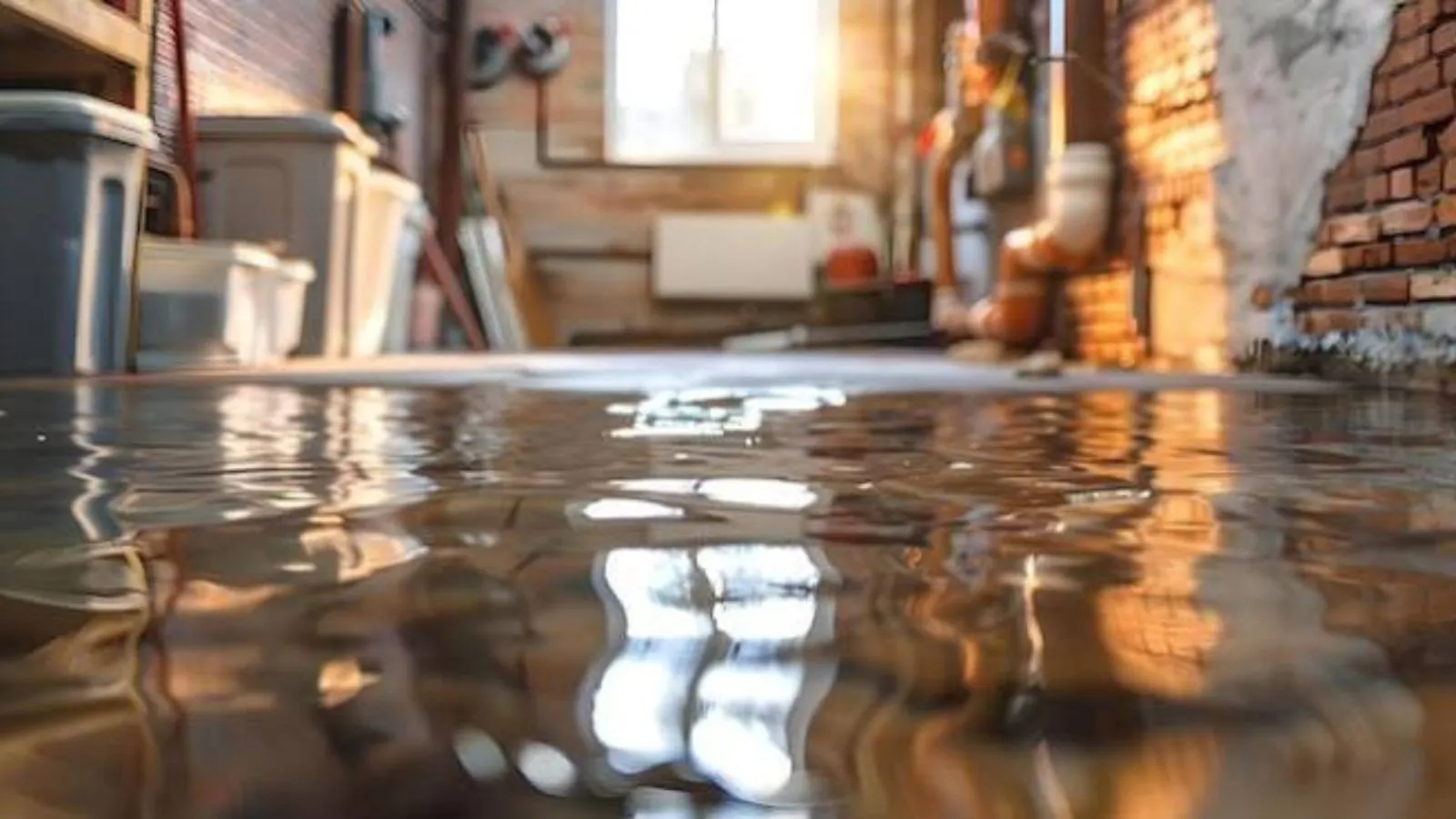
Emergency flood damage cleanup in Iselin is the work of removing outside water that has entered a home from rain, overflowing streams, storm drains or surface runoff. Flood water is classed as Category 2 or 3 under ANSI/IICRC S500 because it has crossed ground, drains and yards, so porous materials it touches are often removed rather than saved. The 24/7 line at (833) 521-1033 sends a crew with pumps, extraction units and protective gear.
Do not wade through the water if you can avoid it. Keep people and pets out, stay clear of outlets, cords and the panel, and never run a household vacuum on wet floors. If the water is still rising, call 911 before you call us for any risk to people.
When flood water is an emergency
Every flood is urgent, but the first hours matter most for drying and for keeping the damage from spreading into rooms that stayed dry. The steps below are what you can do safely before the crew arrives.
Think safety first
Flood water may be electrified or contaminated. Do not enter water that touches outlets or an appliance, and call the utility or 911 for electrical or gas risks.
Document the water line
Photograph the high-water mark on walls and the contents that were wet. Dated photos support a flood claim.
Do not mix up the policy
Standard homeowners policies usually exclude flood damage. Check whether you carry separate flood coverage before you start.
Hold off on rebuilding
Wait until the structure is dried and checked. Closing walls over damp materials traps moisture.
How flood cleanup works
Crews pump out the bulk water, then remove materials that cannot be restored: carpet and pad, wet insulation, soft drywall and sometimes the lower section of wall. Hard surfaces are cleaned and treated with an antimicrobial, and structural framing is dried with air movers and LGR dehumidifiers.
Because flood water carries contamination, the work follows protective practice: gloves, boots, and respirators when the situation calls for them. It is a different job from a clean-water pipe leak, which is why this page and burst pipe water damage are kept separate.
| Source of the water | Likely category | What it usually means for materials |
|---|---|---|
| Supply line or appliance leak | Category 1 at first | Many materials can be dried in place if caught early |
| Rain through the foundation or window wells | Category 2 or 3 | Porous materials near the floor are often removed |
| River or stream overflow | Category 3 | Porous materials are removed, hard surfaces cleaned and treated |
| Storm drain or sewer surcharge | Category 3 | Contamination protocol, see sewage backup cleanup |
Flood cleanup versus storm and basement pages
This page covers rising water at the house: groundwater, rivers, runoff and surface flooding. Damage that comes through the building envelope in a storm, such as a window or roof breach, belongs to storm water damage. Water that enters below grade and floods the bottom level has its own page at basement water damage.
What changes the scope and price
Water category
Category 3 flood water requires removal of porous materials and a full cleaning and treatment step.
Height of the water line
The higher the line on the walls, the more drywall, insulation and trim are involved.
Time before cleanup
Wet materials left for days are harder to save and are more likely to need removal.
Contents
Furniture, boxes and stored items affect labor and what must be cleaned, moved or discarded.
Drying days
Structural framing and concrete take time to dry, and readings decide when equipment can leave.
Scope and price are explained before work starts. Flood damage is usually excluded from standard homeowners policies and needs separate flood coverage, so check your policy or ask your insurer. If you carry flood insurance, photos, moisture readings and an itemized scope help document the loss. FEMA's Flood Map Service Center is the place to look up your address.
Flood water in the house? Stay out of the water and call the 24/7 line.
Call (833) 521-1033Flood risk near the South Branch Rahway River
Iselin drains to the northeast along the South Branch of the Rahway River, and Woodbridge Township's floodplain study lists river flooding in the Colonia and Iselin sections. It also records flooding in the South Branch Rahway area from Irene in August 2011, and says tidal flooding from Sandy in 2012 was the most extreme on record for the township, mostly along the tidal waterways to the east.
The practical takeaway is to look up your own address rather than assume. Check the FEMA Flood Map Service Center, ask the township about floodplain maps, and talk to your insurer about flood coverage before the next big storm, since policies often have a waiting period. Crews also work in Woodbridge, where Sandy flooding hit hardest, and in Fords.
Questions homeowners ask
Do you handle flood damage emergencies at night or on weekends in Iselin?
Yes. The line at (833) 521-1033 is answered 24/7. Call from a safe place and describe the water level, the source if you know it, and whether power is on.
Is flood damage covered by homeowners insurance?
Usually not. Flood is commonly excluded from standard homeowners policies and covered by a separate flood policy, so ask your insurer what applies to you.
Can carpet and drywall be saved after a flood?
Carpet and pad that sat in flood water are usually removed. Drywall may be cut above the water line, and a moisture meter shows how far the damage reaches.
Is flood water safe to touch?
Treat it as contaminated. Avoid skin contact, wear gloves and boots if you must enter, and wash well afterward. Ask a physician about any health concern.
How soon should drying start?
As soon as the standing water is out. Delay makes materials harder to dry and raises the chance of mold, which is explained on the mold remediation page.