
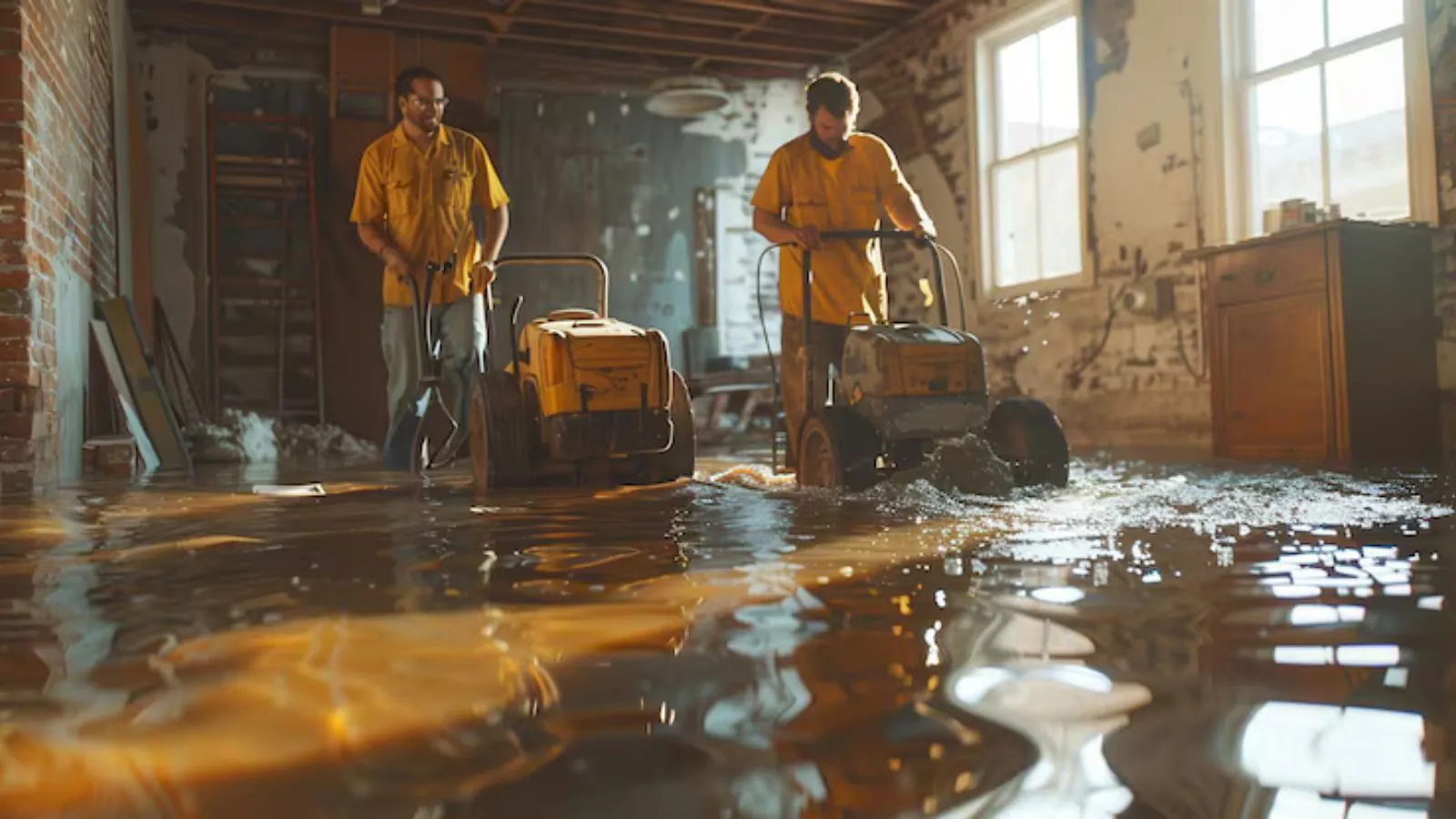
Emergency water extraction in Iselin means pulling standing water off floors and out of low spaces with pumps and extraction units before it wicks into walls, subfloors and furniture. Water that sits for a day reaches materials that were dry when the leak began, so removing the volume is always the first job. The 24/7 line at (833) 521-1033 is answered at night and on weekends, and crews are dispatched from the Middlesex County area.
While you wait for a crew, shut off the main water valve if the source is still running, lift small valuables off the floor and keep everyone out of water that could reach outlets, cords or the panel. If water is near the electrical panel or a plugged-in appliance, stay out of the room and call the utility or 911 before you call us.
When standing water is an emergency
Any depth of water that is still spreading is urgent, and water that has been in place overnight is urgent in a different way. Carpet padding, baseboards and the bottom of drywall act like wicks, pulling moisture upward long after the visible puddle looks small. The checklist below is what to do in the first few minutes, before extraction equipment arrives.
Stop the source
Close the fixture valve or the main shut-off. If the water is coming from outside, note where it enters so the crew can plan around it.
Stay clear of electricity
Do not stand in water near outlets, cords or the panel. Turn power off at the panel only if you can reach it while standing on dry floor.
Lift and photograph
Move small items to a dry surface and take photos of the water line and affected rooms. Photos help later with an insurance claim.
Skip the household vacuum
A shop vacuum is for a spill, not a flooded room. A standard household vacuum on wet floors is a shock risk and does not remove enough water.
How extraction is done
A crew starts by finding where the water is deepest and where it is heading. Submersible pumps handle depth, and wheeled or truck-mounted extraction units with floor wands pull the thin film that remains on carpet, tile and wood. On carpeted rooms, a weighted wand presses water out of the pad from the top so it does not have to be torn out in every case.
Next come moisture meters and thermal imaging, which show how far water traveled into wall cavities and under cabinets. Extraction handles the bulk water, and what is absorbed into materials is the job of structural drying and dehumidification, which usually starts the same visit.
| What you see | What is usually done | What decides the next step |
|---|---|---|
| Damp patch or wet carpet, no pooled water | Targeted extraction and air movers | Moisture readings at the wall base and under the pad |
| Under an inch across a room | Portable extraction, contents lifted, drying equipment set | Whether the pad and baseboards stayed wet more than a day |
| Ankle-deep water | Pumps first, then wand extraction and drywall checks | Water category and how long it has stood |
| Whole floor or several rooms | Multiple pumps, removal of wet materials as needed, full drying plan | Access, source stopped, and building materials involved |
| Dark, odorous or sewage water | Handled as contamination with protective gear | See the sewage backup page before touching anything |
What extraction does not cover
Pumping a flooded yard, a pool surround or runoff outside the foundation is a different trade than interior extraction, and callers ask about it often. If your question is about exterior water, say so on the call so you are pointed the right way. Extraction also does not stop water from entering. Stopping seepage through a foundation is waterproofing, which is separate from restoring what the water already damaged.
What changes the scope and price
Water category
Clean supply-line water is handled differently from gray or contaminated water, and the category sets the protective steps.
Depth and area
More square footage and more depth mean more pumps, more passes and more time on site.
How long it stood
Water that has been in place more than a day usually has reached padding, baseboards and the lower drywall.
Access
Basement stairs, finished rooms and tight utility areas change how equipment gets in.
Follow-up drying
Extraction is the first step, and the number of drying days afterward is usually the largest part of the job.
The scope and price are explained before work starts, based on what the crew measures on site. Sudden and accidental water damage is often covered by a homeowners policy, while gradual leaks and neglect often are not, and flood damage is usually excluded and needs separate flood coverage. Check your policy and ask your insurer.
Water on the floor right now? Call the 24/7 line and describe the depth and the source.
Call (833) 521-1033Why Iselin basements and ground floors take on water
Iselin is drained to the northeast by the South Branch of the Rahway River, and Woodbridge Township's floodplain documents describe river flooding in the Colonia and Iselin sections, including flooding in the South Branch Rahway area during Irene in August 2011. Most homes here are not in that corridor, but heavy rain can still push water into basements anywhere low.
If you are unsure whether your address sits near a mapped flood area, look it up on the FEMA Flood Map Service Center and ask your insurer about flood coverage. Rising outside water is handled on the flood damage cleanup page, and water that comes in below grade is covered under basement water damage. Crews also work in nearby Woodbridge and Metuchen.
Questions homeowners ask
Do you handle water extraction emergencies at night or on weekends in Iselin?
Yes. The line at (833) 521-1033 is answered 24/7, including nights, weekends and holidays. Tell the dispatcher how deep the water is and whether the source is stopped, and the crew is sent with the right pumps.
Should I turn off the power before water is extracted?
Only if you can reach the panel while standing on a dry floor. If the panel is in the water, stay out and call the utility or 911 first.
Will the carpet pad have to be removed?
Not always. Clean water caught early can often be extracted through the carpet and dried in place, while contaminated water or long exposure usually means the pad comes out. A moisture reading decides it.
Do you pump water out of yards or pools?
Interior extraction is the focus here. Exterior pumping is a different service, so mention it on the call and you will be told plainly whether it fits.
How long does it take after the water is removed to dry the room?
Drying commonly takes several days depending on materials and humidity, and the crew logs moisture readings until they reach the dry standard for those materials.