
Wall and drywall water damage repair in Iselin deals with drywall and the cavity behind it after a leak. Drywall is paper and gypsum, and it absorbs water, softens and can grow mold if left wet. Call (833) 521-1033 to arrange readings, drying and repair.
Turn off the water to the source if you know it, and do not poke or paint a wet wall. A damp wall needs readings, since paint can hide moisture that is still inside.
What to do first with a wet wall
- Find and stop the source if you can do it safely.
- Do not poke, drill or paint a wet wall.
- Keep outlets on a wet wall unused until they have been checked.
- Photograph the wall before any opening is made.
Signs of water behind a wall
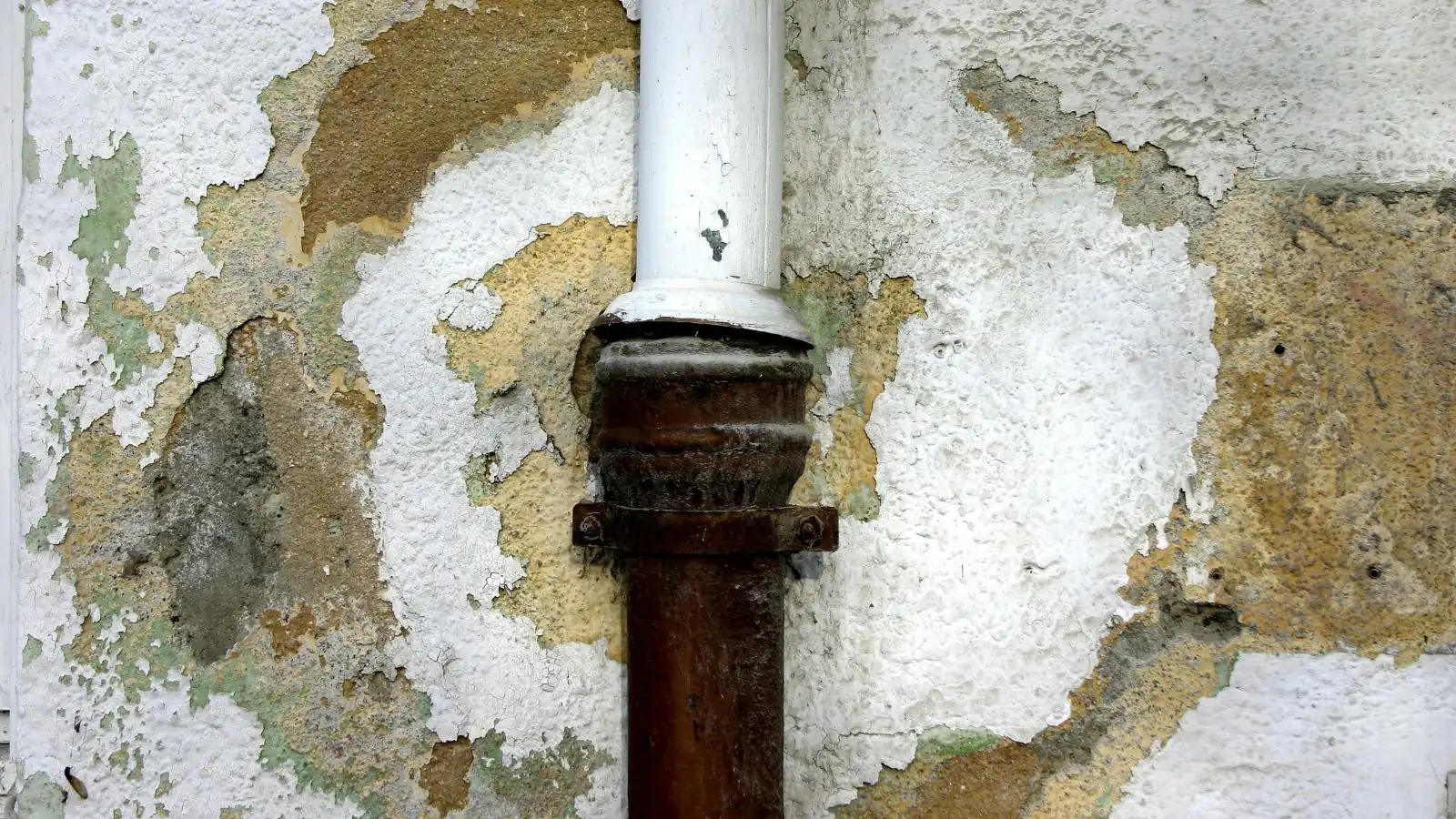
Bubbling or peeling paint
Moisture pushing out from behind the surface.
Soft or crumbling drywall
The gypsum core has absorbed water and lost strength.
Stains that spread
Brown or yellow marks that grow suggest an active source.
Musty smell
A stale odor with no visible stain can point to a damp cavity.
Dry it or cut it out
The decision depends on how wet the drywall is and for how long. Drywall wet with clean water for a short time can sometimes be dried in place. Drywall that is soft, stained or wet with contaminated water is cut out, usually a couple of feet above the wet line, and the cavity is dried before closing.
Insulation in the cavity is checked too, since wet insulation holds water. A moisture meter and thermal camera show how far the water traveled, because it often climbs inside the wall.
| Condition of drywall | Usual action | Why |
|---|---|---|
| Slightly damp, clean water, caught early | Dry in place | Gypsum can recover if dried quickly |
| Soft, bulging or crumbling | Cut out | Strength is lost |
| Wet from contaminated water | Cut out | Porous material holds contamination |
| Stained but dry | Check source, may need paint only | Stain alone is not active moisture |
Why walls stay wet longer than they look
A wall is a closed cavity: drywall on both sides, framing, sometimes insulation and wiring. Water that enters the cavity has little airflow, so it dries slowly. The paper face of drywall is also food for mold if it stays damp, which is why readings matter more than looks.
Water also moves. It runs down inside the wall to the bottom plate and wicks up the drywall, so the visible stain may sit well above or beside the real wet area. Mapping the wall with a meter finds the true extent before anything is cut.
What happens after the wall is dried
Once readings show the framing and the remaining drywall are dry, the opened section is patched with new drywall, taped, finished and primed. Matching texture and paint is part of the repair, and the new surface is blended into the rest of the wall. If insulation was removed, it is replaced before the wall is closed.
What changes the scope and price
Source and category
Clean water leaks are handled differently from contaminated water.
Height of the wet area
Water wicks upward, so the cut line is set by readings.
Insulation
Wet insulation is usually removed and replaced.
Number of walls
Water often crosses into adjacent rooms.
Finish work
Mud, texture and paint after drying are priced from the assessment.
Scope and price are explained before work starts. Sudden leaks are often covered by homeowners policies, and gradual leaks commonly are not. Photograph the wall before any opening is made.
Wet or stained wall? Call for moisture readings before painting.
Call (833) 521-1033Drywall damage in Iselin homes
Water often reaches walls from a bathroom, a kitchen or an upstairs fixture, and in townhouses and condos from a neighbor's unit through shared walls. Tell the owner or association if the source is outside your unit.
See also ceiling water damage repair, burst pipe water damage and mold remediation. We serve Metuchen and Woodbridge as well.
Standards and sources
The water categories and drying terms on this page come from the ANSI/IICRC S500 standard for professional water damage restoration. Insurance and flood guidance comes from the New Jersey Department of Banking and Insurance and the FEMA Flood Map Service Center, and local flooding facts come from Woodbridge Township's floodplain documents.
Questions homeowners ask
Can wet drywall be saved?
If it is clean water and caught quickly, sometimes. Soft or contaminated drywall is cut out.
Can I just paint over the stain?
Only after the source is fixed and the wall is dry. Paint over a damp wall hides the problem.
How high is the wall cut?
Set by moisture readings. Water often wicks above the visible line.
Will insulation need replacing?
Usually if it was wet. Wet insulation holds water.
How long until the wall can be closed?
When readings show the framing is dry, often several days.