
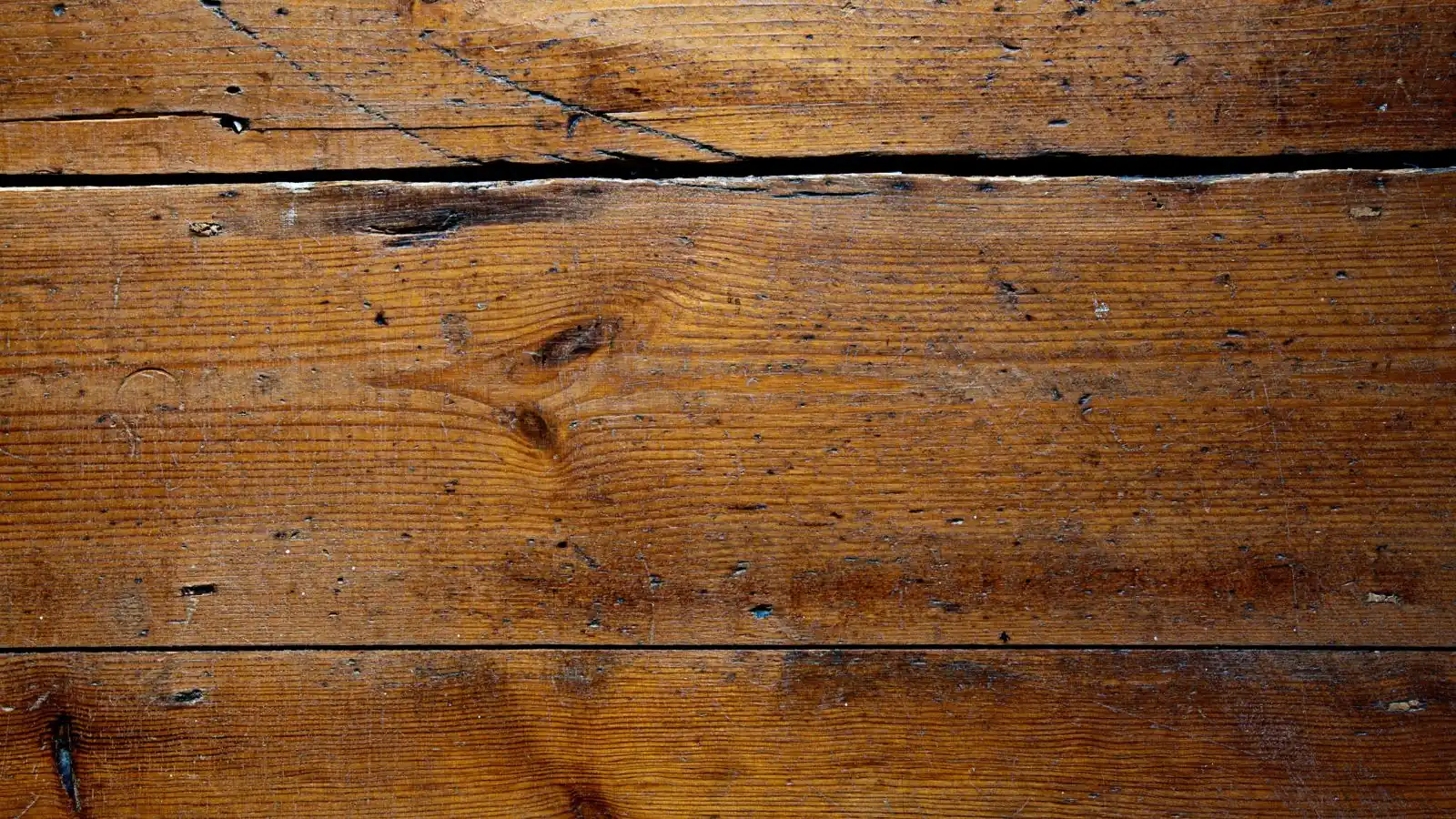
Hardwood floor water damage repair in Iselin focuses on drying wood flooring before it warps, and replacing boards that cannot recover. Solid hardwood and engineered wood absorb water at the edges and underside, and the damage shows days later as cupping, crowning or gaps. Call (833) 521-1033 to arrange moisture readings and drying.
Wipe up standing water, lift rugs and furniture legs off the floor and keep air moving. Do not sand, seal or refinish wet wood, and do not cover it with plastic.
What to do first with a wet hardwood floor
- Wipe standing water and lift rugs, furniture legs and plant pots off the floor.
- Keep air moving and do not cover the floor with plastic.
- Do not sand, seal or refinish the floor while it is wet.
- Photograph the floor and note the time the water was found.
What water does to hardwood
Wood takes on water and swells. When the underside absorbs more than the surface, boards cup. When the whole board swells against its neighbors, the floor can buckle off the subfloor. Dark staining can mean water has sat for a while.
The speed of drying matters. Floors dried early can often return to flat as the moisture leaves, while floors left wet for days may stay deformed or lift. Moisture readings on the boards and the subfloor decide which is likely.
Cupping
Board edges rise higher than the center. It can flatten as the wood dries, if it has not set.
Crowning
The center rises. This often appears after the floor was sanded while still damp.
Buckling
Boards lift off the subfloor. It usually means prolonged or heavy wetting.
Staining
Dark marks suggest water or moisture sat on the wood for a longer time.
How hardwood floors are dried
Specialized drying mats and low-profile equipment pull moisture from the boards and from beneath them. In some cases a few boards are removed to let air reach the subfloor. Readings are logged daily until the wood and subfloor reach dry values.
After drying, the floor is assessed again. Boards that have returned to flat can be sanded and refinished. Boards that stayed deformed are replaced. Waiting for the floor to dry fully before judging it avoids replacing wood that would have recovered.
| Floor type | Water tolerance | Usual outcome |
|---|---|---|
| Solid hardwood | Moderate, swells and cups | Often recoverable if dried promptly |
| Engineered wood | Varies with the veneer layer | May delaminate if soaked |
| Laminate | Low, core swells | Often replaced if soaked |
| Vinyl plank | Surface water-resistant | Water can still get under the seams |
Signs a hardwood floor can still be saved
A floor that is wet but not yet deformed is the favorable case. Boards that lie flat, with no gaps and no cupped edges, have usually not absorbed a large amount of water. A moisture meter reads the board and the subfloor, and readings that are high but falling after drying starts are a good sign.
Dark black marks that go deep into the grain, boards that have lifted from the subfloor and a floor that has started to smell stale are signs that the damage is more serious. Even then, readings decide the outcome, not appearance.
Why wood needs a slower approach than carpet
Wood that is dried too fast can crack and split, so drying is steady rather than aggressive. Equipment is set to bring moisture down gradually and the crew rechecks the readings each visit. After the floor reaches a stable moisture content, any cupping that has remained is assessed, and only then is sanding or board replacement considered.
What changes the scope and price
Species and construction
Solid and engineered wood handle water differently.
Time wet
Floors dried within days are far more likely to be saved.
Area
More square feet means more drying equipment and potential replacement.
Subfloor condition
A wet subfloor adds drying or replacement scope.
Finish work
Sanding, staining and refinishing after drying are priced from the assessment.
Scope and price are explained before work starts. Sudden water damage to hardwood floors is often covered by homeowners policies, while slow leaks commonly are not. Keep photos of the damage before and after drying.
Hardwood getting wet? Lift what is on it and call for readings.
Call (833) 521-1033Hardwood floors in Iselin homes
Single-family houses and townhouses in Iselin often have hardwood on the main level over a basement or crawl space, so a leak from below can lift boards from underneath. If you see cupping with no visible leak, check for a plumbing or humidity source below the floor.
Related pages: kitchen water damage restoration, carpet water damage restoration and structural drying. We also work in Metuchen.
Standards and sources
The water categories and drying terms on this page come from the ANSI/IICRC S500 standard for professional water damage restoration. Insurance and flood guidance comes from the New Jersey Department of Banking and Insurance and the FEMA Flood Map Service Center, and local flooding facts come from Woodbridge Township's floodplain documents.
Questions homeowners ask
Can a cupped hardwood floor be saved?
Often, if it is dried soon and the wood has not set. The floor is reassessed after drying before any replacement.
Should I sand the floor right away?
No. Sanding wet wood can lock in the deformation and crown the boards. Wait for readings to show it is dry.
Do you refinish floors?
Restoration covers drying and assessment. Refinishing after drying is part of the rebuild scope.
What about laminate?
Laminate swells at the seams and is often replaced if it was soaked.
How long does hardwood take to dry?
Often several days to a couple of weeks, depending on the wood and moisture. The log shows when it is done.