
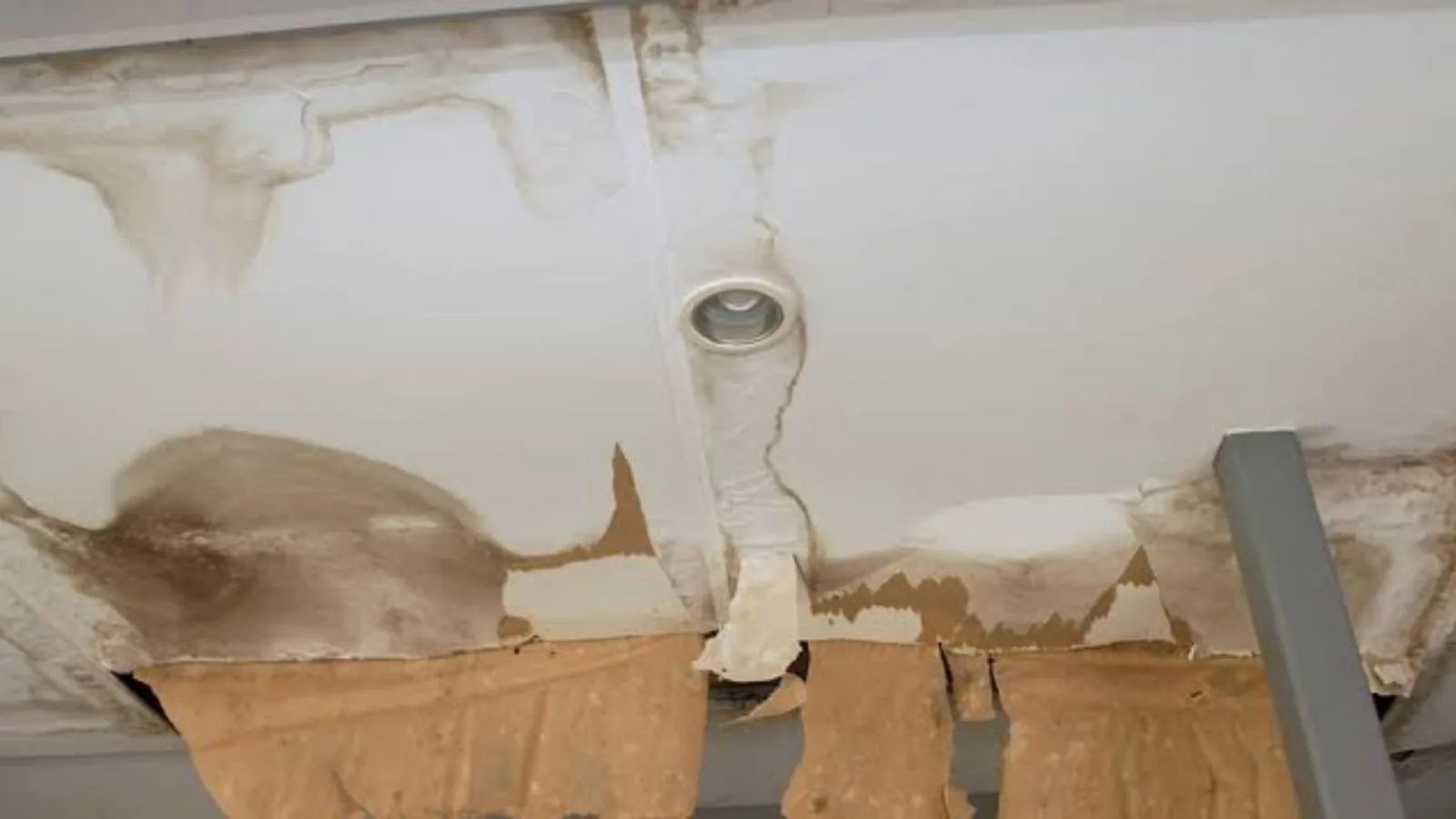
A water damage claim is mostly a documentation project. The facts of what happened and what it affected are fixed in the first day or two, and the person who recorded them most carefully usually has the easiest conversation with the adjuster. This guide walks through the steps in order, from the first photo to the final paperwork.
Nothing here changes what your policy covers. It is a practical checklist for making your record clear, whatever the coverage decision turns out to be.
Step 1: Make it safe and stop the water
Shut off the source if you can reach it safely, whether that is a fixture valve or the main. Stay out of rooms where water touches outlets or the panel. If anyone is in danger, call 911 first. Your insurer expects reasonable steps to prevent more damage, so stopping the water is both the safe move and the expected one.
Step 2: Photograph before you move anything
Take wide shots of each room, then close-ups of the source, the water line and each damaged item. Video that walks through the rooms with a narrated date helps. Photograph serial numbers or labels on appliances and on the failed part.
Keep taking photos as work proceeds, since the record of removal matters as much as the damage itself.
Step 3: Call your insurer and ask three questions
Report the loss promptly and ask what the insurer needs from you, whether there is an emergency services allowance and whether it wants to see damaged materials before they are discarded. Write down the claim number, the date and the name of the person you spoke with.
Step 4: Start drying and keep the paper trail
Drying should not wait for an adjuster visit. A restoration crew maps moisture, extracts water and sets drying equipment, and the daily readings become your evidence of how wet the structure was and when it was dry. Ask for the drying log and the itemized scope.
Keep receipts for emergency repairs, hotel stays if you must leave and any items you replace. Ask your insurer which expenses it wants documented.
| Document | Who provides it | Why it helps |
|---|---|---|
| Dated photos and video | You | Shows the damage before cleanup |
| Moisture readings and drying log | Restoration crew | Shows how far the water went and when it was dry |
| Itemized scope of work | Restoration crew | Lets you and the adjuster compare the same list |
| Plumber or appliance invoice | Repair contractor | Shows the cause and the date of the repair |
| Receipts and contents list | You | Supports the amounts you claim |
Step 5: Meet the adjuster prepared
Have your photos, the log and the scope ready, and walk the adjuster through the path the water took. Ask when you can expect a decision and what the next steps are. If you disagree with a finding, ask for the reason in writing and for the policy section it relies on.
Common mistakes that weaken a claim record
Throwing out damaged items before photographing them is the most common mistake, followed by waiting days to report the loss. Another is letting a temporary fix hide the cause, such as patching a pipe without keeping the failed section. A fourth is relying on memory for dates and amounts instead of writing them down as events happen.
None of these ends a claim, but each makes it harder to explain what happened. Writing a short timeline on the first day takes ten minutes and saves a long conversation later.
Keeping a simple claim log
A one-page log is enough. Record the date and time you noticed the water, who you called and when, the claim number, the adjuster's name, what you were told and what you were asked to send. Add each expense with a receipt. If a call produces a promise, follow up by email so that it is in writing.
Iselin, NJ: what local sources say
The New Jersey Department of Banking and Insurance advises policyholders to take photographs, keep receipts and report a loss promptly, and notes that standard homeowners policies do not cover flood. Its consumer hotline is 609-292-7272, and it is the state office to contact if you have a question about how an insurer is handling a claim.
Iselin is part of Woodbridge Township, and the township's floodplain documents describe river flooding in the Colonia and Iselin sections. If water came from outside, record where it entered and any nearby flooding, because that detail can decide which policy responds. Source types used here are state insurance regulator guidance and township floodplain documents.
Need readings, a drying log and a written scope for your claim file? Call the 24/7 line.
Call (833) 521-1033What a restoration company does and does not do in a claim
A crew documents and dries. It does not decide coverage, speak for you with the insurer or promise an outcome. Its records are useful because they come from measurement rather than memory. The first stage is described on water extraction, and the drying records come from structural drying.
If you are in Fords or Woodbridge, the process and the paperwork are the same.
Questions homeowners ask
How soon should I report a water damage claim?
As soon as you can. Policies usually require prompt notice, and a delay can complicate the record.
Do I need to keep the damaged materials?
Ask your insurer. Many will accept photos, but some want to see certain items, so ask before discarding.
Who pays for emergency drying?
That depends on your policy and the cause. Ask your insurer whether emergency services are covered and keep all invoices.
What if my insurer denies the claim?
Ask for the reason in writing and the policy section it relies on. The New Jersey Department of Banking and Insurance runs a consumer hotline for questions about claim handling.
Where do Iselin homeowners call with a question about an insurer?
The state's Department of Banking and Insurance consumer hotline is 609-292-7272, and its website lists the complaint process.