
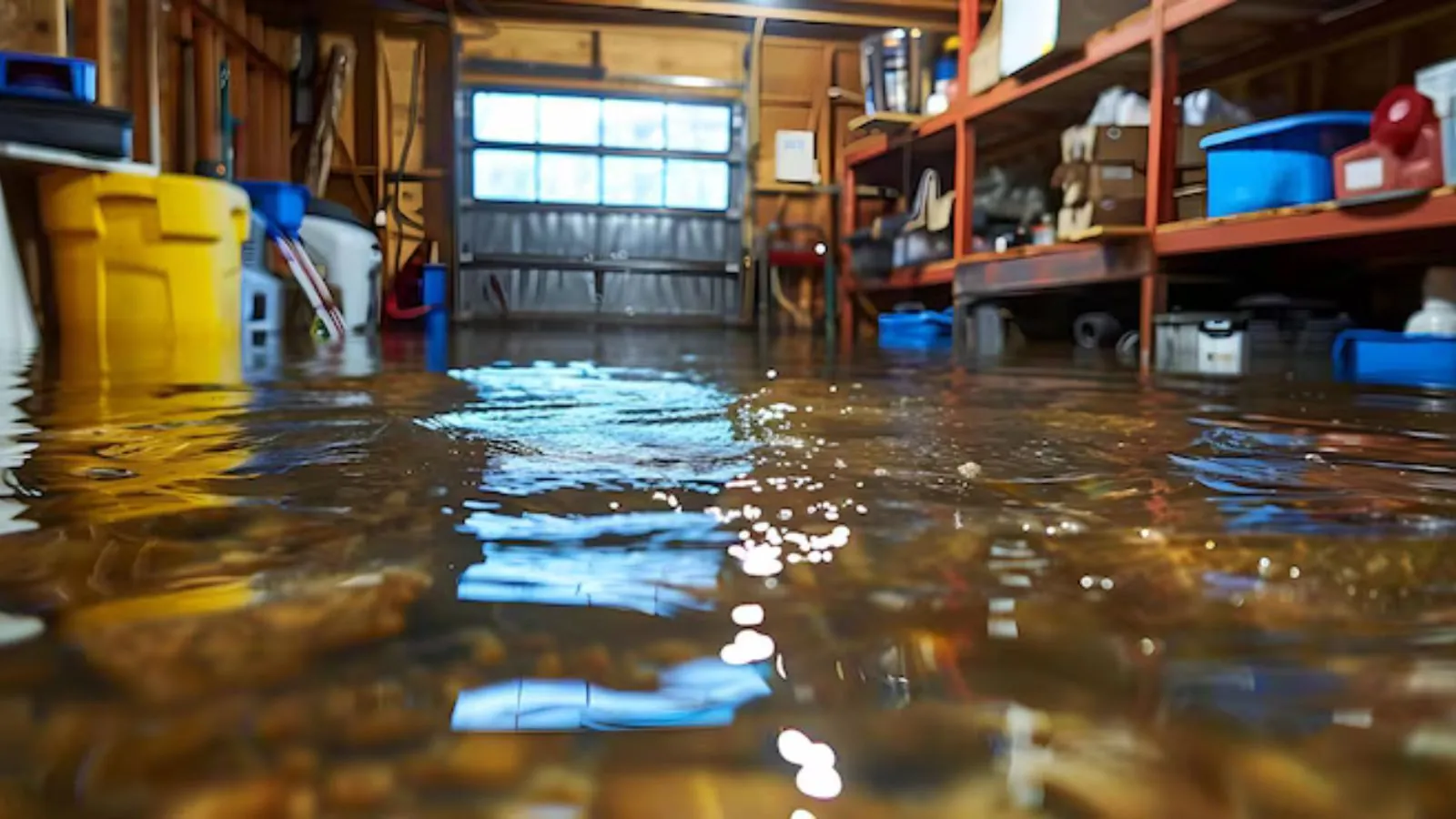
When a restoration crew asks where the water came from, it is not making small talk. The answer sets the category, and the category changes almost everything that follows: which materials stay, which go, what protective gear is used and how the structure is cleaned. The categories come from the ANSI/IICRC S500 standard for professional water damage restoration.
This guide explains the three categories in everyday words and shows how the same flood of water can move from one to the next.
Category 1: clean water
Category 1 water comes from a sanitary source and does not pose a substantial risk from skin contact or ingestion at the start. Examples include a broken supply line, an overflowing sink with clean water and a leaking refrigerator line. Many materials can be dried in place when it is caught quickly, which is why speed matters so much with this category.
Category 2: gray water
Category 2 water has some contamination and can cause discomfort or illness if contacted. Washing machine and dishwasher discharge are common examples, as are toilet overflow with urine only and some sump pump overflow. Porous materials that soak in this water, such as carpet pad, are often removed. Hard surfaces are cleaned and treated.
Category 3: black water
Category 3 water is grossly contaminated and can carry pathogens. Sewage, flood water from rivers or streams, and water that has stood long enough to turn are all in this category. Porous materials that touch it are removed, and the area is cleaned and treated with protective practice. Do not enter this water if you can avoid it.
| Category | Typical sources | What usually happens to soft materials |
|---|---|---|
| 1, clean | Supply line, faucet, tub overflow of clean water | Often dried in place if caught quickly |
| 2, gray | Washing machine, dishwasher, some overflows | Pad and soft goods often removed |
| 3, black | Sewage, river or surface flood water | Removed and discarded |
How water moves from one category to the next
Categories are not fixed. Clean water that sits for a long time, picks up dirt from a floor or touches contaminated materials can be reclassified as it degrades. Temperature, time and the materials it crosses all play a part. The standard treats the category as a reading of conditions at the time of assessment.
That is why a clean pipe leak that is ignored for days can turn into a bigger job than the same leak extracted and dried the same afternoon.
Why the category matters to you
- It decides whether carpet, pad, drywall and insulation can stay or must go.
- It affects the protective gear and containment the crew uses.
- It shapes the scope and price, since removal and cleaning add work.
- It matters for insurance, since policies often treat flood and sewage differently from a supply line break.
- It affects when it is safe for you to go back into the room.
Common situations and the likely category
- A supply line that bursts in a wall: usually Category 1 at first.
- A dishwasher that overflows onto the kitchen floor: often Category 2.
- A toilet that backs up with waste: Category 3.
- Rain that comes through a roof and soaks insulation: assessed on site, since it can pick up contaminants.
- A basement that fills during river flooding: Category 3.
These are starting points, not final answers. The crew confirms the category by looking at the water, the materials and the time elapsed.
Iselin, NJ: what local sources say
Middlesex Water, headquartered in Iselin, lists Woodbridge Township as a retail service area. A failed line on that supply is usually a Category 1 event at the start. Water from outside the house, such as the river flooding the township's floodplain documents describe in the Colonia and Iselin sections, is Category 3.
The township's documents also record flooding from Hurricane Irene in August 2011 and tidal flooding from Sandy in October 2012. Flood water that entered a home in those events carried runoff and would have fallen in the third category. Source types used here are the utility's service area page and township floodplain documents.
Not sure which category you have? Call and describe the source.
Call (833) 521-1033What you can do while you wait
If you suspect Category 2 or 3 water, stay out of it, keep children and pets away and do not use a household vacuum. If it is clean water from a pipe, shut it off if you safely can and move belongings out of the wet area. The crew's first job is to confirm the category with what it sees on site. The flood case is described on flood damage cleanup, and sewage on sewage backup cleanup.
Crews in Woodbridge and Fords follow the same classification.
Questions homeowners ask
Is a washing machine overflow Category 2?
Often, because the water carries detergent and soil. The crew confirms on site.
Can Category 1 water become Category 3?
It can degrade over time or by crossing contaminated materials, which is why quick extraction matters.
Is rain water that comes through a roof Category 1?
Not necessarily. Rain that passes through a roof and insulation can pick up contaminants, so the crew assesses it.
Which category is Iselin river flooding?
Water from a river or stream is Category 3 under the standard, which is why porous materials it touches are removed.
Can I tell the category myself?
You can often tell the source. The crew confirms the category by looking at the water, the materials and how long it has been there.