
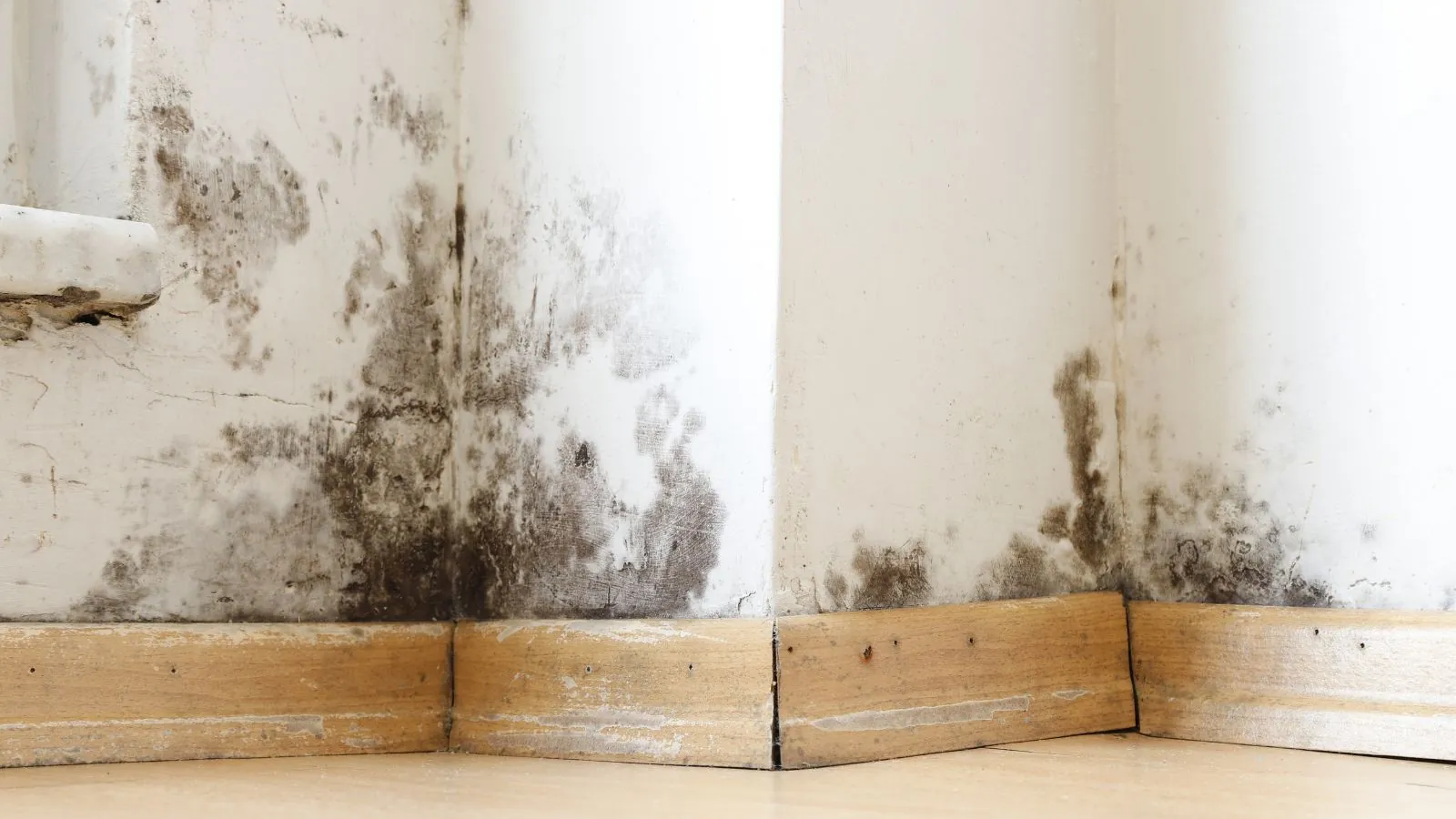
Mold comes up late in many home sales, often after an inspection spots a musty basement or a stained wall. The buyer's lender, the buyer or the seller's agent may then ask for proof that the problem is resolved. That proof is usually called clearance, and it is different from the work itself.
This guide explains the terms, the people involved and how to avoid a stalled closing. It is general information. The lender or the buyer's agent decides what documentation they will accept, so ask them first.
Testing versus clearance
The EPA says that if you can see or smell mold, testing is usually not needed to decide what to do. You clean it up and fix the moisture. Testing has a different role in a sale: it produces documentation for a third party.
Clearance is that documentation. It usually means an independent assessor inspects the area after the work, may take samples and issues a report saying whether the area meets the criteria set for the job.
Why independence matters
A report from the same company that did the work can be seen as a conflict of interest, so lenders and buyers commonly want an independent assessor, one that does not perform the remediation. Ask the lender or the buyer's agent whether the assessor must be independent and whether any credentials are required. Do not assume.
| Step | Who typically does it | What it produces |
|---|---|---|
| Moisture assessment and scope | Restoration crew or assessor | Where the moisture is and what is affected |
| Remediation and drying | Restoration crew | Removal, cleaning, dry readings, photos |
| Clearance inspection | Independent assessor | Report on the condition after work |
| Documentation for the sale | You and your agent | Report, invoices, drying log |
A sensible order of events
- Find out exactly what the lender or buyer is asking for, in writing.
- Find and fix the moisture source, since clearance does not hold if damp returns.
- Have the area assessed and a scope written before work starts.
- Complete the work and keep the drying log and photos.
- Book the independent clearance after the area is dry, not before.
Common ways this goes wrong
The most common problem is testing too early, before the area is dry, which can lead to a second round. Another is hiring an assessor who is not accepted by the lender. A third is fixing the visible patch without fixing the moisture, so the problem returns before closing. Asking what is required before work begins avoids all three.
Talking to the buyer, the seller and the agents
Mold paperwork is a communication problem as much as a technical one. Buyers want to know that the problem is resolved, sellers want to keep the closing date and agents want a clean file. Put requirements in writing, share the assessor's name before the work starts and confirm the lender will accept the report.
If you are the seller, a prompt moisture assessment and a clear scope often calm a stalled deal. If you are the buyer, ask for the drying log and invoices as well as the report, since they show what was done and how dry the structure got.
What a good clearance package contains
- The assessor's report with the date, the area covered and the findings.
- Photos from before and after the work.
- The drying log with moisture readings for each visit.
- The invoice and a description of the work performed.
- Notes on the moisture source and how it was repaired.
A package like this answers most questions a lender or buyer will ask and saves a second round of back and forth.
Iselin, NJ: what local sources say
Iselin includes many condominium and townhouse communities, with 6,994 housing units counted in the 2020 census, and the Metropark area around the NJ Transit and Amtrak station has condominium housing. In a condo sale, ask the association whether there is a record of past water problems in the building or the unit above, since the source may be a shared system.
Iselin is in Woodbridge Township, and its floodplain documents describe river flooding in the Colonia and Iselin sections. If the house is in a low area that has taken water, a buyer or lender may ask about drying and drainage as well. Source types used here are census data, NJ Transit service information and township floodplain documents.
Sale or loan waiting on mold paperwork? Call to assess the moisture and plan the work.
Call (833) 521-1033What the restoration side provides
The crew provides the work and the records: photos, readings and a drying log. It does not issue a clearance report in place of an independent assessor. The work itself is described on the mold remediation page, and the drying records come from structural drying.
The same process applies for sales in Metuchen and Fords.
Questions homeowners ask
Do I need clearance testing to sell my house?
Not by default. A buyer or lender may ask for it, so find out what they require.
Can the remediation company clear its own work?
A lender or buyer may want an independent assessor, so ask before hiring anyone.
How long does clearance take?
It depends on the area and the assessor. The area has to be dry first, which is why drying readings matter.
Does a condo in the Metropark area need anything different?
Check with the association about shared systems and past water events, and ask the lender about documentation.
What if the report fails?
The assessor explains what is outstanding. Usually that means more drying or cleaning, followed by another inspection.