
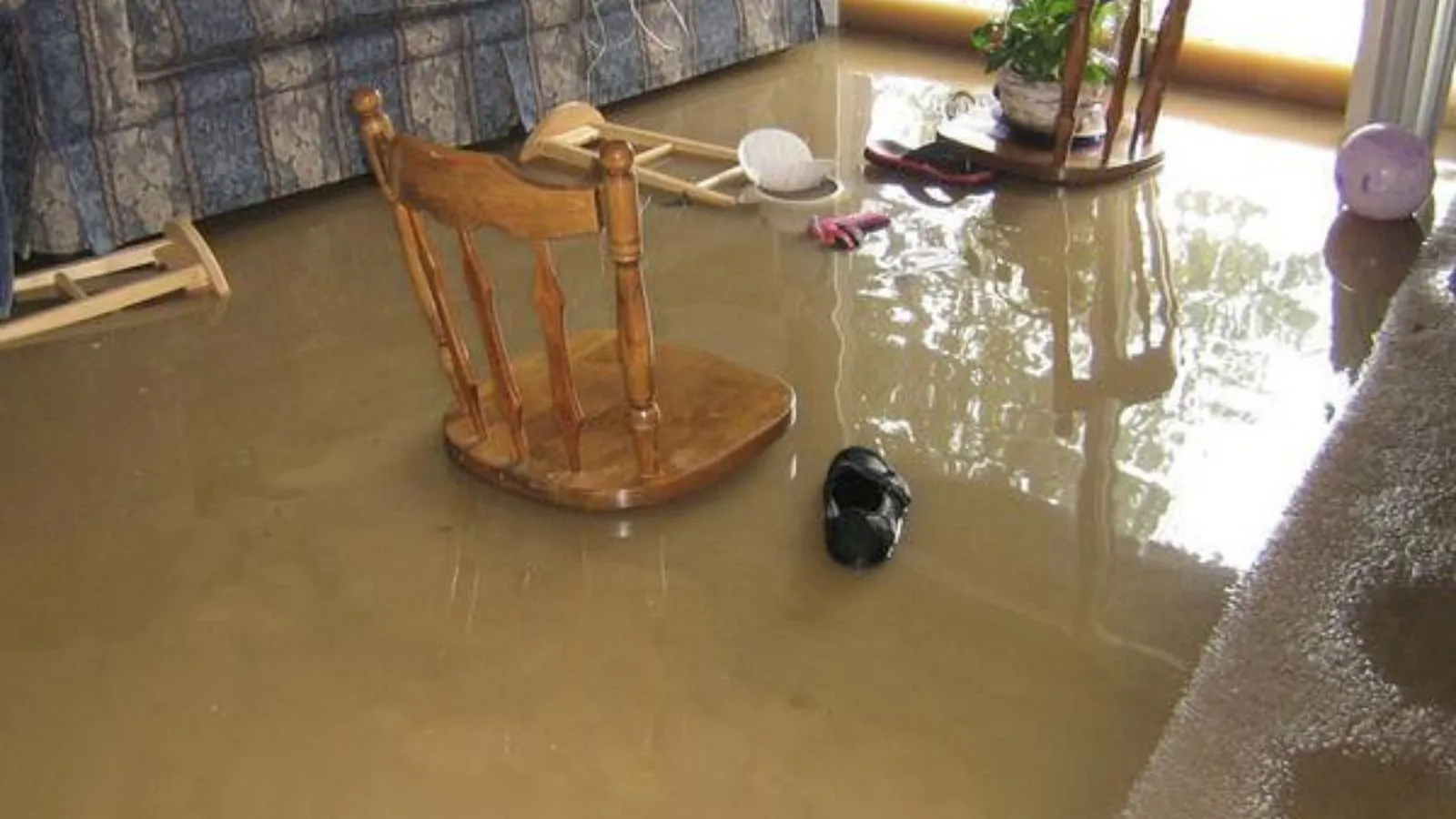
Search results for this question are full of dollar ranges, and many are generic national averages with no connection to your house. This guide does not print a range, because a number without a scope is not an estimate. Instead it explains what moves the cost, how a price is built and how to compare two quotes fairly.
Scope and price are explained before work starts at every job. If a company quotes a flat figure over the phone without seeing the damage, ask what it covers.
What drives the cost
Water category
Clean water usually allows more drying in place. Contaminated water means removal, cleaning and treatment.
Area and volume
More square footage and more rooms means more equipment and labor.
Time since the loss
Water left for days soaks deeper and affects more materials.
Materials affected
Carpet, hardwood, drywall and insulation are handled differently, and some are removed.
Equipment days
The number of days equipment runs depends on readings, not a fixed schedule.
Access and conditions
Tight spaces, stairs and hard-to-reach cavities add time.
How a restoration price is usually built
A scope has three layers. Emergency work covers stopping the spread, extracting water and protecting the structure. Drying covers equipment, monitoring and readings. Repairs cover replacing what was removed, such as drywall, flooring and paint. Some companies price the first two and leave rebuilding to a contractor, while others cover all three.
When you compare quotes, check which layers each one includes. A low number that covers only extraction is not the same as a higher number that covers drying and repair.
| Line item | What it should describe | Question to ask |
|---|---|---|
| Extraction | Equipment used and areas covered | Which rooms are included? |
| Drying equipment | Number of units and days | How is the end date decided? |
| Monitoring | Visits and readings | Will I get the drying log? |
| Removal and disposal | Materials taken out | Which materials and why? |
| Repairs | Rebuild of removed materials | Is this included or separate? |
Why the first hours change the bill
Water spreads, and every hour it sits it reaches more material. Starting extraction early usually limits how much has to be removed, which is why the first step usually adds the least to the bill. Waiting until morning to call for a pipe break can add rooms to the scope. This is a reason to call promptly, not a promise of any particular total.
Insurance and the estimate
If a claim applies, your insurer or its adjuster may set its own scope and price list. Differences between a crew's scope and the adjuster's are common and are worked out with documentation: photos, readings, logs and an itemized list. Coverage depends on the cause and the policy, so ask your insurer, and keep your deductible in mind when you decide how to proceed.
Two examples of how scope changes the bill
Take two jobs that look alike from the doorway. In the first, a supply line split and was shut off within the hour, and water reached one room of vinyl flooring. Extraction is quick, drying is short and little is removed. In the second, the same kind of line leaked behind a wall overnight and wet carpet, baseboard and the lower drywall in two rooms. The cause is the same, but the second job involves removal, longer drying and rebuilding.
This is why the same phone description can lead to very different scopes once readings are taken, and why a number given before a visit is a guess.
Questions to ask before you approve work
- What is included in this scope and what is not?
- How many drying equipment units and how many days?
- How will you show me that the structure is dry?
- Will I get the drying log and photos?
- Who handles the rebuild, and is it priced separately?
Iselin, NJ: what local sources say
The 2020 census counted 6,994 housing units in Iselin, including many townhouses and condominiums with shared walls. In a shared building, the scope can reach several units, and the cost depends on who owns the affected structure. Ask the association or landlord which parts they insure.
Woodbridge Township's building department handles construction permits, so ask it whether rebuild work needs a permit rather than assuming. The New Jersey Department of Banking and Insurance advises homeowners to keep receipts and report a loss promptly, which helps whatever the scope ends up being. Source types used here are census data and state regulator guidance.
Want a scope explained in plain terms? Call and describe the damage.
Call (833) 521-1033Red flags in an estimate
- A flat price quoted without seeing the damage or taking readings.
- No mention of drying equipment days or monitoring.
- Pressure to sign immediately or to assign your insurance benefits without reading the paper.
- Unclear whether repairs are included.
- Refusal to share the drying log or the itemized scope.
The crews serving Woodbridge and Fords explain scope the same way, and the drying side is described on structural drying.
Standards and sources
The water categories and drying terms on this page come from the ANSI/IICRC S500 standard for professional water damage restoration. Insurance and flood guidance comes from the New Jersey Department of Banking and Insurance and the FEMA Flood Map Service Center, and local flooding facts come from Woodbridge Township's floodplain documents.
Questions homeowners ask
Why do two quotes differ so much?
They may cover different layers, equipment days or materials. Compare line by line, not by the bottom number.
Does my ZIP code change the price?
Not by itself. The scope of the damage drives it. Location can affect travel but not the water category, area or materials.
Can you give a price over the phone?
A crew can describe what affects the price and what to expect. A real figure needs a look at the damage and readings.
Does Woodbridge Township require permits for repairs?
Ask the township building department for your project. Do not assume, since rules depend on the work.
How do I avoid surprises?
Ask for a written scope before work starts, which layers are included and how the drying end date is decided.