
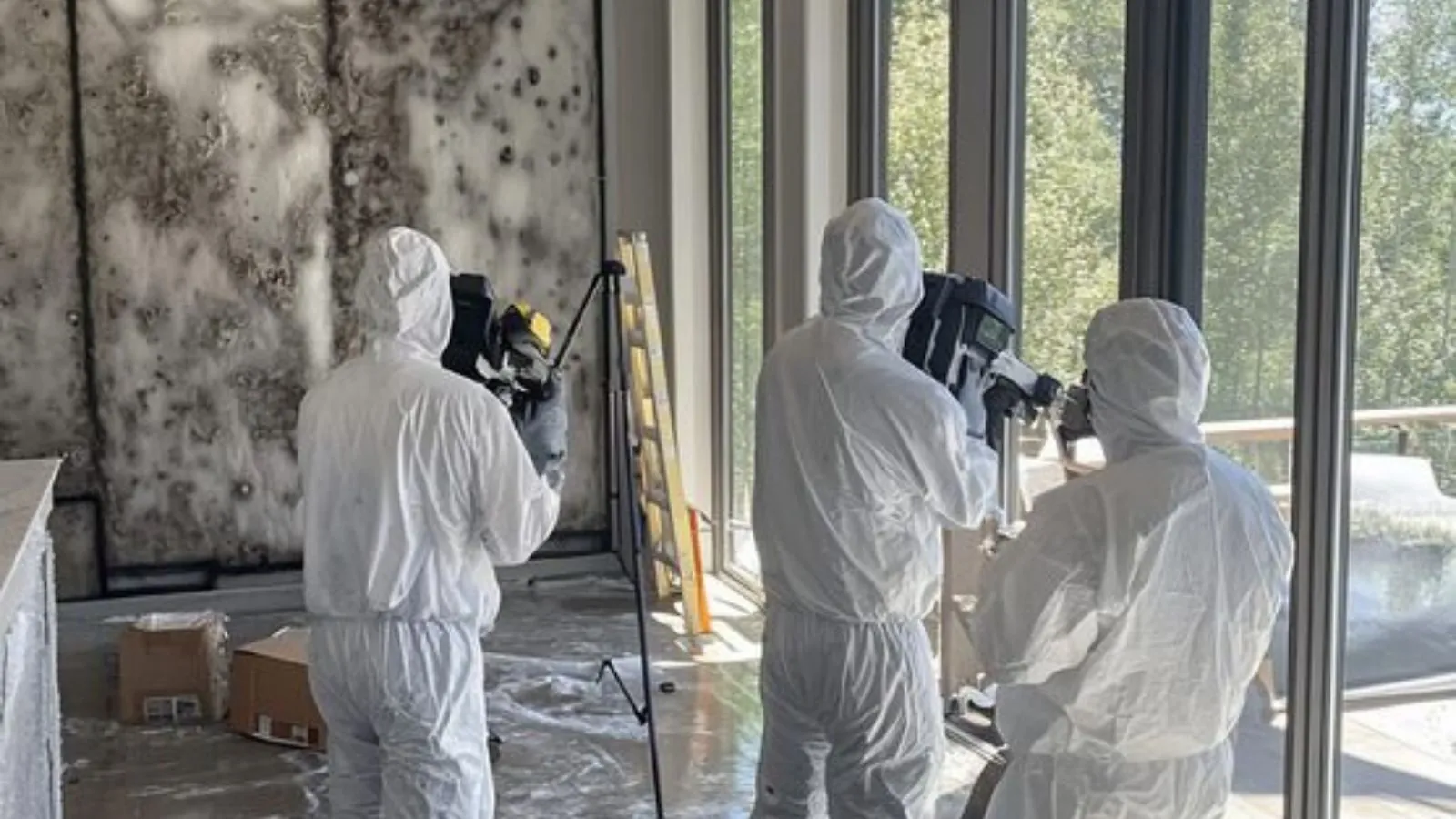
The answer most people quote is 24 to 48 hours, and it has a real source. The U.S. Environmental Protection Agency advises that wet or damp materials be dried within 24 to 48 hours to prevent mold growth. That is guidance for prevention, not a stopwatch, and the actual timeline depends on the material, the temperature and how wet things are.
This guide explains what the window means, what changes it and what to do when it has passed. It does not predict that mold will or will not form in any particular house.
Where the 24 to 48 hour guidance comes from
The EPA's moisture and mold guidance for homes says that if materials are dried quickly, mold growth can be prevented. Its flood cleanup guidance repeats the point and advises drying within a day or two. The reasoning is simple. Mold needs moisture and a food source, and wet drywall, wood and fabric provide both. The longer they stay wet, the more likely growth becomes.
What changes the timeline
Material
Paper-faced drywall, ceiling tile, fabric and wood are food sources and stay wet longer than metal or glass.
Temperature and humidity
Warm, humid conditions favor growth. Cool, dry conditions slow it.
Water type
Contaminated water carries more organic material and calls for removal of soft goods.
Airflow
Still air in a closed cavity keeps materials wet. Moving, dry air helps.
If the water has already sat longer than two days
Do not panic and do not assume the worst. Start drying now, since every additional day matters. Have the area checked with a moisture meter and look for signs such as a musty smell, discoloration or soft drywall. If growth is visible or the materials stayed wet for days, the answer may involve removal of affected materials. That is described on the mold remediation page.
If the damage is limited and the materials can be dried, structural drying brings them to dry readings.
| Hours since the water | Priority | What to do |
|---|---|---|
| 0 to 24 | Stop the source and extract | Start extraction and drying right away |
| 24 to 48 | Dry materials fast | Set drying equipment and take readings |
| 48 to 72 | Check for hidden moisture | Assess walls, floors and cavities |
| Beyond 72 | Assess for growth | Moisture assessment, remove affected materials |
Signs to look for
- A musty or earthy smell that persists.
- Discoloration, spotting or fuzzy patches on surfaces.
- Soft, warped or bubbling drywall, trim or flooring.
- Condensation on windows or cold surfaces near the wet area.
- A stain that reappears after cleaning.
What to do in the first 48 hours
- Stop the water source and keep people out of wet areas.
- Remove standing water and wet items that cannot be dried.
- Open the area to airflow only if the crew advises it, since humid outdoor air can slow drying.
- Run dehumidification and take moisture readings.
- Photograph the area and keep notes with times.
These steps cannot promise that growth will not appear, but they are the most reliable way to reduce the chance. The sooner readings fall to dry values, the better.
After the 48 hours: assessment, not alarm
If time has passed, the aim is to find out what is actually wet. A moisture meter and thermal camera can show wet insulation, soft drywall and damp framing without opening everything. Materials that stayed wet for days are often removed, while materials that dried in time are kept. The result of the assessment, not the calendar, decides the next step.
A note on testing and timing
People often ask whether to test as soon as they notice damp. The EPA says testing is usually not needed to decide what to do about visible mold. The more useful early step is measuring moisture, since it shows which materials are still wet and need drying. Testing can come later if a third party needs documentation.
Iselin, NJ: what local sources say
Woodbridge Township's floodplain documents record flooding from Hurricane Irene in August 2011 and tidal flooding from Sandy in October 2012. Those events are examples of the kind of widespread wetting where many homes face the same 24 to 48 hour drying window at once, and where crews and equipment are in short supply.
The EPA guidance applies equally in Iselin as anywhere. If you want to ask about the water entering your home, Middlesex Water, headquartered in Iselin, supplies Woodbridge Township at retail and can answer supply questions. Source types used here are township floodplain documents and the utility's service area page.
Water has been sitting? Call now for drying and a moisture check.
Call (833) 521-1033A drying-first plan
The plan is the same in every case. Stop the source, remove standing water, remove materials that cannot be dried, dry the rest with air movers and dehumidifiers and confirm with readings. Water extraction covers the first step. Crews working in Woodbridge and Metuchen use the same plan.
Standards and sources
The water categories and drying terms on this page come from the ANSI/IICRC S500 standard for professional water damage restoration. Insurance and flood guidance comes from the New Jersey Department of Banking and Insurance and the FEMA Flood Map Service Center, and local flooding facts come from Woodbridge Township's floodplain documents.
Questions homeowners ask
Does mold always grow after 48 hours?
No. The EPA figure is guidance for preventing growth, only guidance. Conditions and materials decide.
Can mold form in less than 24 hours?
Conditions vary, so do not rely on a precise timer. Start drying as soon as possible.
What if I did not notice a leak for a week?
Dry the area now and have it assessed. Visible growth or a musty smell may mean affected materials need removal.
Does Iselin flooding history change the guidance?
No, the guidance is the same. The township's floodplain documents show flooding has happened nearby, so quick drying after water entry is worth planning for.
Will a dehumidifier alone prevent mold?
It helps control humidity but does not remove water from wet materials. Extraction and drying are the first steps.